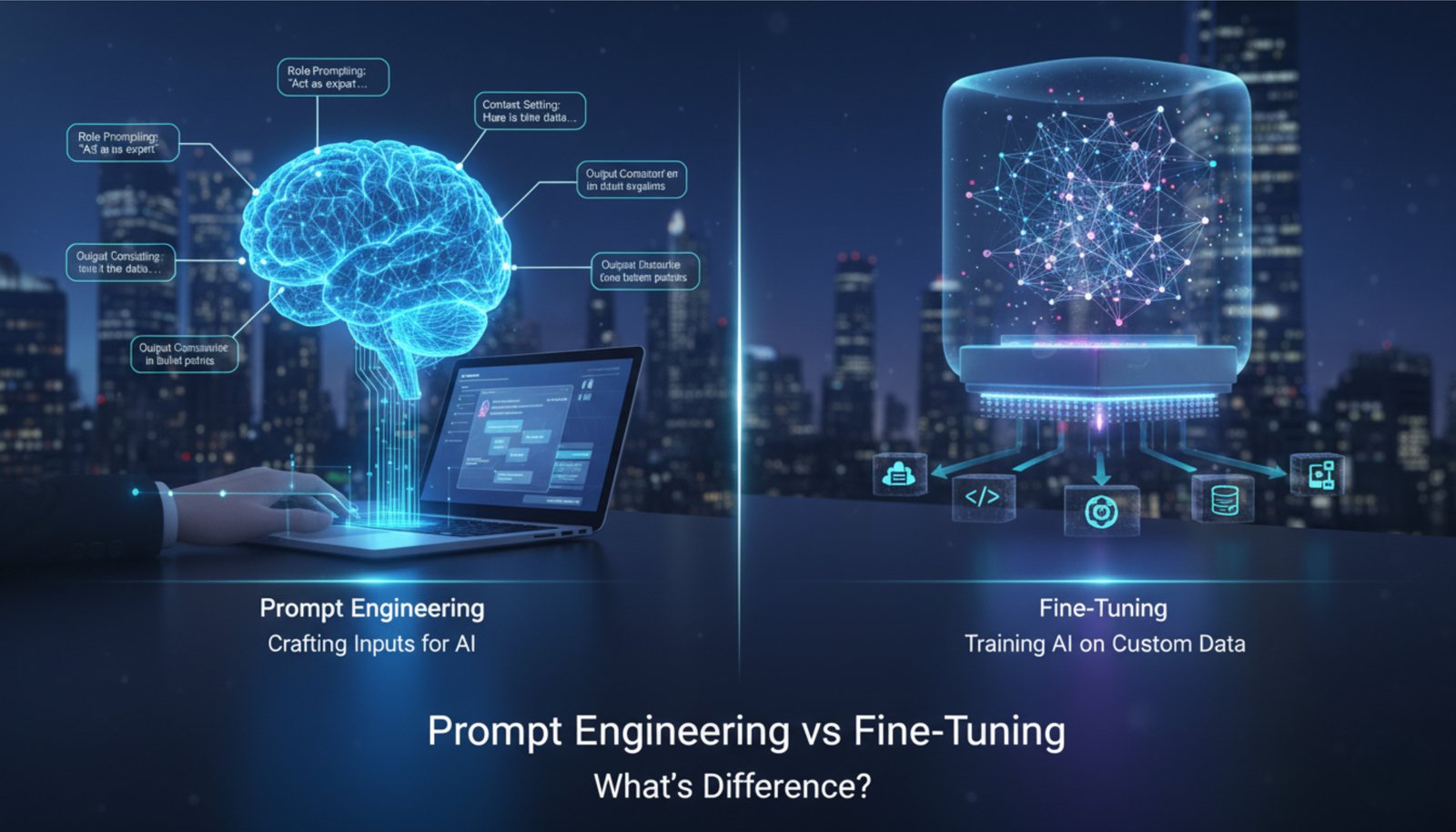
-
2025-10-23

1. Introduction: The New Language of AI
Artificial Intelligence has changed the way we write, communicate, and debug. From chatbots and code assistants to generators and design software, AI is ubiquitous.
But have you ever thought about how these AI models know what we want?
The key to it all is Prompt Engineering - the science and art of talking to AI models such as ChatGPT, Gemini, or Claude in a meaningful way. Through this beginner's guide, we will learn about what prompt engineering is, why it is important, and how you can begin to master it in 2025.
2. What Is Prompt Engineering?
Prompt Engineering is the act of writing, designing, and optimizing prompts (text-based instructions) to produce the best possible result from an AI model.
A prompt might be as brief as a sentence ("Write a blog about AI") or as intricate as a multi-step instruction ("Be a data analyst and condense this dataset into insights with vital metrics").
In essence, prompt engineering makes you think like AI can understand - converting human intention into machine-executable instructions.
3. Why Prompt Engineering Matters in 2025
With more advanced AI systems, companies and professionals are now recognizing that the quality of output relies heavily on the clarity of input.
Here's why prompt engineering is now so important in 2025:
- Improved Results, Quicker – Clearly structured prompts eliminate trial and error, saving time and resources.
- Increased ROI of AI tools – Companies achieve more accurate and context-specific outputs, increasing efficiency.
- Enhanced Creativity – Prompt engineering makes it possible to transform AI as an ideation partner that can help unlock new concepts.
- Competitive Edge – Those who learn to "speak AI" can be more effective compared to competition depending on simple prompts.
4. How Prompt Engineering Works
Prompt engineering operates through insight into the behavior and organization of language models.
Techniques such as:
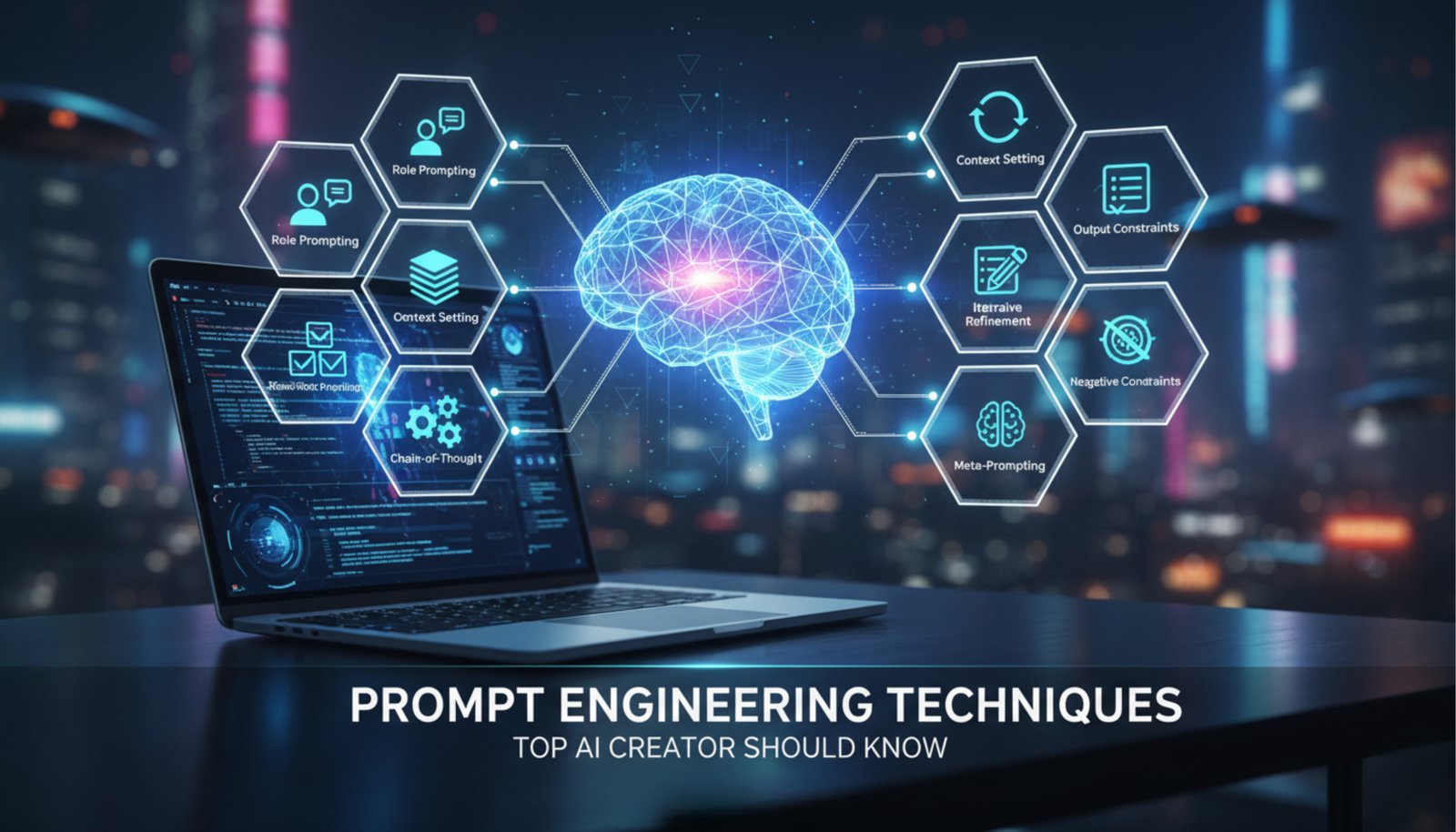
- Role prompting: Giving a role to the AI (e.g., "You are a professional SEO expert.")
- Context setting: Giving background or examples first before posing the question.
- Output constraints: Requesting answers in certain formats (such as bullet points or tables).
- Iterative refinement: Adjusting prompts upon receiving feedback from the model.
Example:
Bad prompt: "Write something about marketing."
Good prompt: "Act as a digital marketing strategist. Write a 500-word blog about the top 5 social media trends in 2025 with examples."
5. Real-World Examples of Prompt Engineering
Prompt engineering is employed across sectors today:
- Healthcare: AI-aided diagnosis explanations and patient record summaries.
- Marketing: Writing ad copy, SEO copy, and campaign plans.
- Software Development: Creating code snippets or debug assistance with specific prompts.
- Design: Developing visual cues for image generators such as DALL·E or Midjourney.
- Education: Constructing AI tutors offering context-driven learning experiences.
6. Tools & Platforms for Prompt Engineers
If you'd like to begin practicing, here are the most common tools to test:
- ChatGPT (OpenAI) – for conversational AI prompts
- Gemini (Google) – for data-rich and contextual reasoning prompts
- Claude (Anthropic) – for structured reasoning tasks
- PromptPerfect, FlowGPT, prompts.vedasynth.ai – for optimizing and sharing prompt templates
All of these tools assist in improving your prompt design process and trying out various results.
7. Skills You Need to Master Prompt Engineering
To be proficient in prompt engineering, emphasize these key skills:
- Clear communication – conveying ideas clearly
- Analytical thinking – knowing how AI behaves
- Domain knowledge – using prompts in your domain (e.g., marketing, coding, design)
- Experimentation mindset – constantly testing and updating prompts
8. The Future of Prompt Engineering
By 2025, prompt engineering is evolving into a critical professional skill - similar to coding or digital marketing in earlier decades.
As AI models grow more sophisticated, prompt engineers will shape how AI integrates into every business process - from customer support and product design to research and automation.
Soon, we’ll see Prompt Engineering Specialists, AI Workflow Designers, and Prompt Optimization Consultants becoming standard roles in tech companies.
9. How to Start Your Journey
If you’re new to this field, start simple:
Experiment with ChatGPT or Claude using real-world tasks.
- Document what works (and what doesn’t).
- Follow communities like FlowGPT and PromptHero.
- Build your own library of prompts organized by purpose.
- Within weeks, you’ll start thinking like an AI whisperer - someone who can turn ideas into actionable, AI-driven results.
10. Conclusion: Why Prompt Engineering Is the Future
Prompt Engineering is not simply a matter of crafting better commands - it's about crafting a new bridge between human and artificial intelligence.
As companies rely more and more on AI-powered automation, communicating clearly with them becomes a prized skill.
Don't let others outclass you. If you wish your business, brand, or team to remain competitive, begin learning prompt engineering today.
Your words can actually instruct AI on what to do next.
Weekly trending

The Best AI Tools for Prompt Engineers (Free & Paid)
29-Oct, 2025